AT3: Colour Psychology
Psychological Power in Colour
Colour is a form of energy which is split from white light and forms a spectrum.
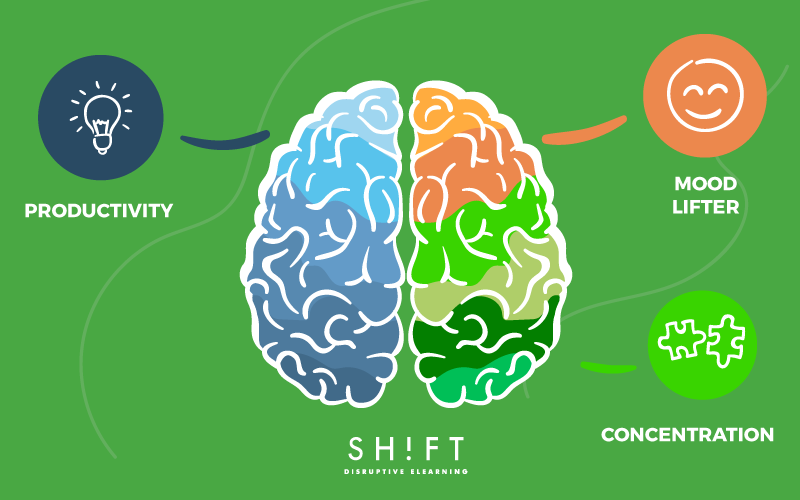
Dr Robert Gerard recognises that magnetic frequencies are associated with each colour's wavelength. These wavelengths affect our neuropathy ways and cause a biochemical response. The body and brain biologically respond to colours in different ways. Research with Alzheimer patients shows that colour can cue memories in colour easier.
 |
| Link |
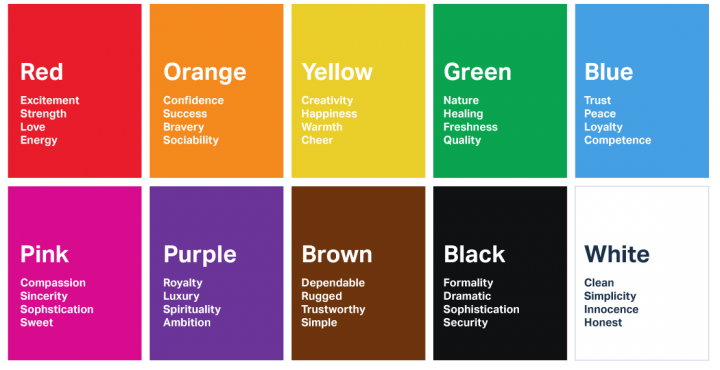
Colour Associated Meaning
 |
| Link |
Stereotypical programming
Society has defined rules for some colours. We instil these idealistic colour meanings into our children.
Pink is girlie, beads, perfume, flowers, butterflies, fairies, ballet, hearts, romance and vulnerability.
Blue is masculine, cobwebs, boots, mud, ponds, worms, swimming, football, cars, climbing excitement and heroes.
Red is dangerous, fire, harmful, toxic, and hot.
Stereotypically colouring of boys and girls is a very narrow-minded cultural habit. All habits can be changed, so children can grow into complex, multi-layered, inspirational human beings with no ceiling of expectation. Both boys and girls can be
Commercial use of colour
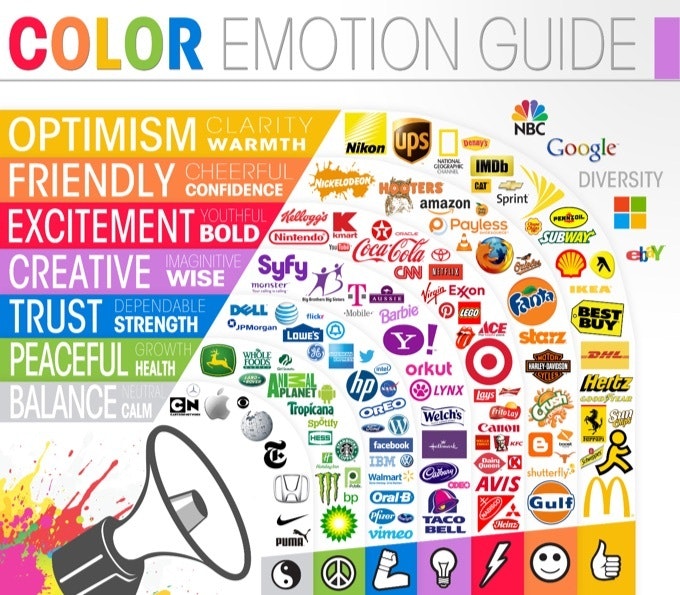
Businesses know the power of colour psychology and how their branding can affect consumers. Businesses pay big money for the bet marketing edge so they may gain a market share.
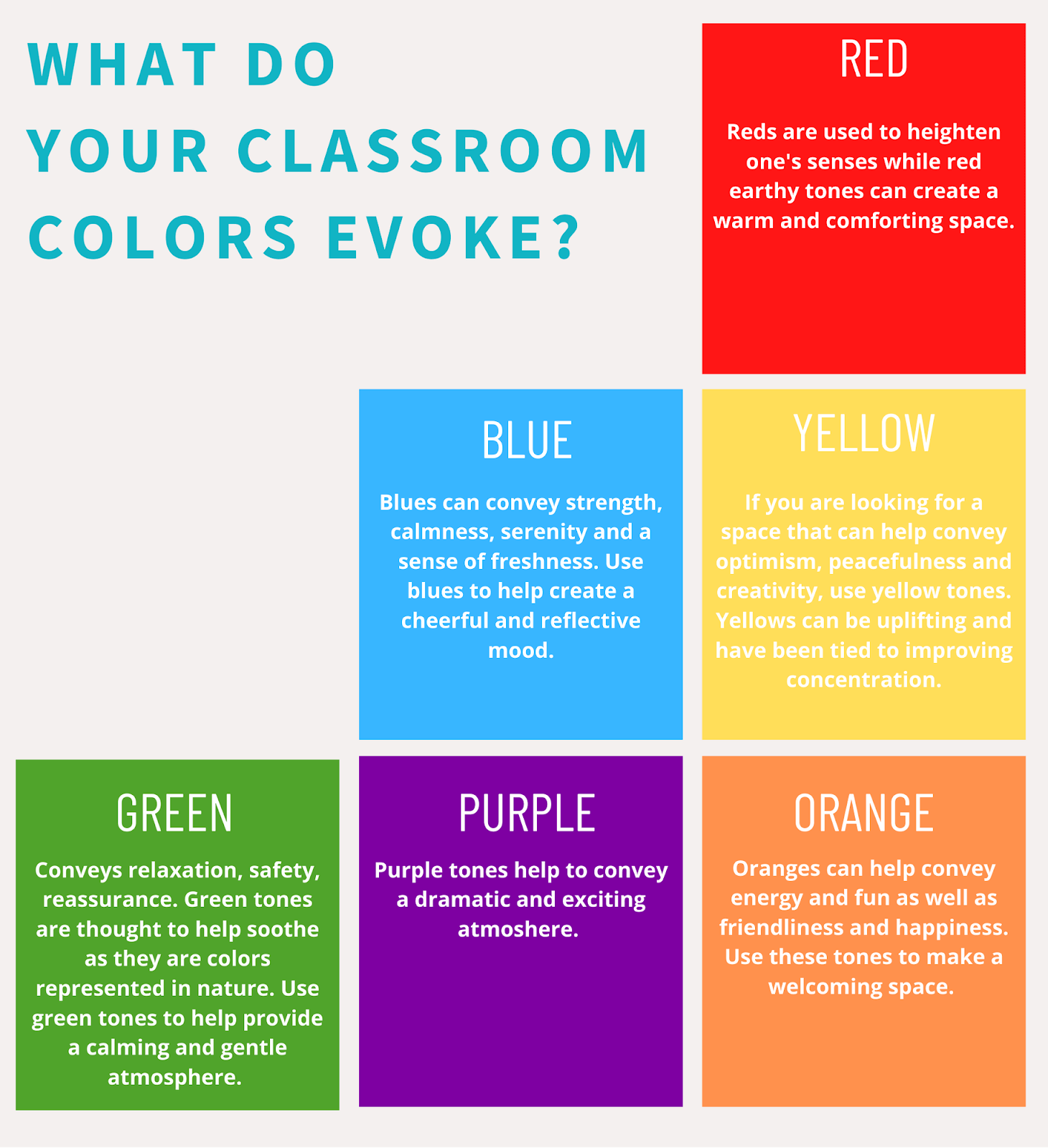
Colour within the classroom
 |
My Classroom
The classroom environment is a mix of the teacher's personality and how to stimulate the student's learning environment.
I'm inspired by nature and the many beautiful things nature can create herself. These are some inspirational classroom colours and inspirational quotes I would love to invite into my learning space.


A great looking learning environment can create peace and creativity into the learner.


Comments
Post a Comment